

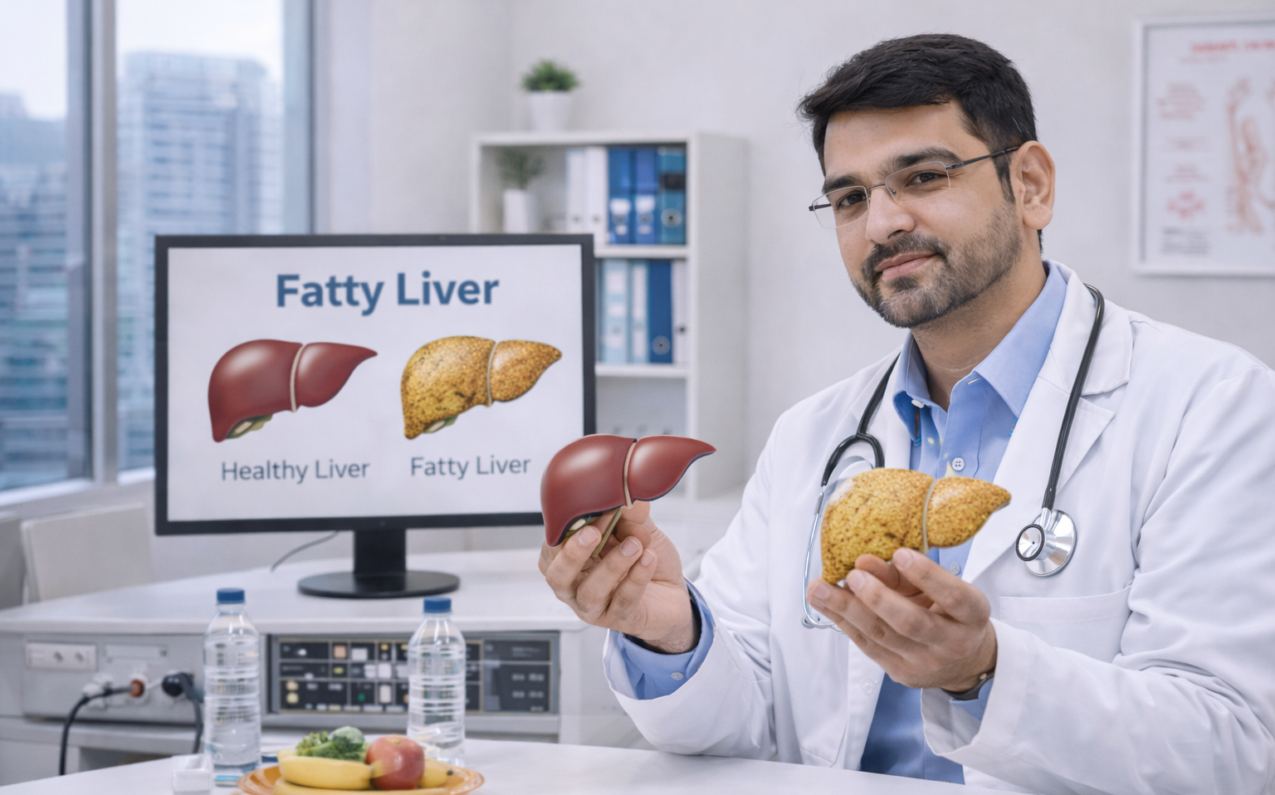
Fatty liver disease is becoming increasingly common due to sedentary lifestyles and poor dietary habits. Early diagnosis and timely management can prevent severe complications. Understanding symptoms, causes, and treatment options helps protect long-term liver health and overall wellbeing.
Early Warning Signs and Preventive Care
Fatty liver disease occurs when excess fat accumulates in liver cells. It may not show symptoms initially, but fatigue, mild abdominal discomfort, and unexplained weight changes can appear over time. Risk factors include obesity, diabetes, high cholesterol, and excessive alcohol consumption. Lifestyle modification remains the cornerstone of treatment. Early screening through liver function tests and imaging plays a crucial role in preventing progression to cirrhosis or liver failure.
What Is Fatty Liver Disease?
Fatty liver disease is broadly categorized into non-alcoholic fatty liver disease (NAFLD) and alcoholic fatty liver disease. NAFLD is commonly linked to metabolic conditions such as obesity and insulin resistance. When untreated, it can progress to non-alcoholic steatohepatitis (NASH), liver fibrosis, and eventually cirrhosis. The liver is essential for detoxification, digestion, and metabolism, so maintaining liver health is vital for overall body function and long-term wellness.
Common Causes and Risk Factors
The primary causes of fatty liver include unhealthy diet, lack of exercise, obesity, type 2 diabetes, high triglyceride levels, and excessive alcohol intake. Genetic predisposition may also increase risk. Individuals with metabolic syndrome are particularly vulnerable. Regular health checkups, balanced nutrition, and physical activity significantly reduce the risk. Identifying and managing associated conditions early can prevent liver inflammation and long-term liver damage.
Effective Treatment and Lifestyle Management
There is no single medication that cures fatty liver disease; treatment focuses on lifestyle changes. Weight reduction through a balanced diet and regular exercise is highly effective. Avoiding processed foods, refined sugars, and excessive alcohol is essential. In some cases, doctors may prescribe medications to control diabetes or cholesterol. Routine monitoring ensures that liver function remains stable and complications are avoided.
“Take care of your liver today, because it silently takes care of you every day. Prevention, balanced nutrition, and timely medical attention are the strongest medicines against fatty liver disease.”
Dr. Michael Greger
When to Consult a Liver Specialist
If you experience persistent fatigue, abdominal discomfort, jaundice, or abnormal liver test results, consult a liver care specialist promptly. Early medical intervention can reverse fatty liver in many cases. Personalized treatment plans, including dietary guidance and medical management, provide the best outcomes. Protecting your liver today ensures better health and vitality in the future.