

Chronic constipation is a common yet often neglected digestive disorder affecting people of all ages. Irregular bowel movements, hard stools, and straining can significantly impact daily life. Persistent constipation may signal underlying intestinal or neurological issues requiring proper gastroenterology evaluation and structured treatment.
Understanding Causes, Symptoms, and Modern Management
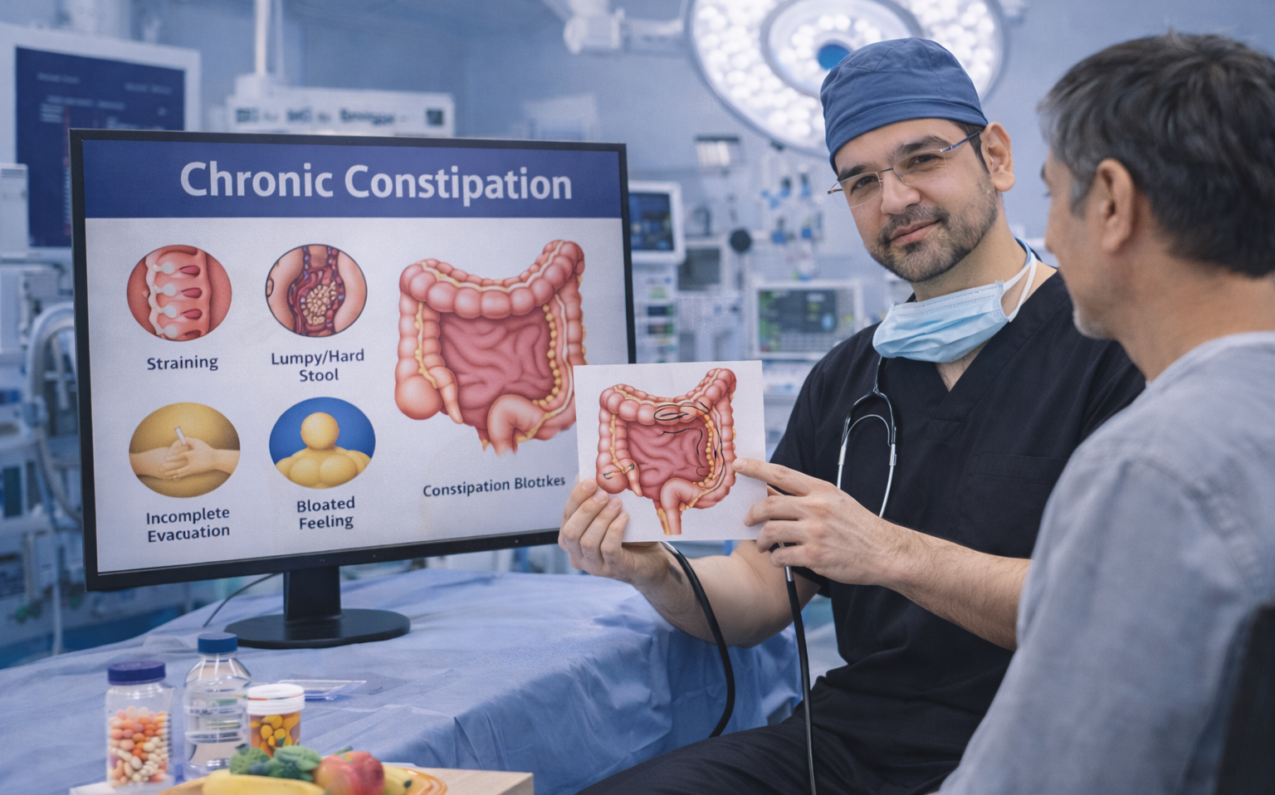
Constipation occurs when bowel movements become infrequent or difficult to pass. Causes include low-fiber diet, inadequate water intake, sedentary lifestyle, stress, hormonal imbalance, certain medications, or underlying intestinal disorders. Symptoms may include bloating, abdominal discomfort, incomplete evacuation, and excessive straining. Long-standing constipation can lead to complications like piles, fissures, or rectal prolapse if untreated.
Common Causes and Risk Factors
Dietary habits play a major role in bowel health. Low fiber intake, processed foods, and insufficient hydration slow intestinal movement. Medical conditions such as hypothyroidism, diabetes, or neurological disorders may also contribute. Identifying the root cause ensures effective and long-lasting treatment rather than temporary relief.
When to Seek Medical Attention
If constipation persists beyond two weeks, is associated with bleeding, severe abdominal pain, unexplained weight loss, or anemia, immediate medical consultation is necessary. Early diagnosis helps rule out serious intestinal conditions and prevents complications.
Diagnosis and Evaluation
Clinical assessment includes detailed history, physical examination, and necessary investigations such as blood tests, colonoscopy, or motility studies in selected cases. Comprehensive evaluation helps differentiate functional constipation from structural or neurological causes.
“Constipation is not merely a symptom but often a reflection of lifestyle and gut function imbalance that deserves structured evaluation.”
Dr. Satish Rao
Treatment and Long-Term Relief
Management includes dietary fiber optimization, hydration, regular physical activity, and safe medical therapy when required. In resistant cases, advanced treatments are available. Personalized care ensures symptom relief and improved intestinal health over time.