


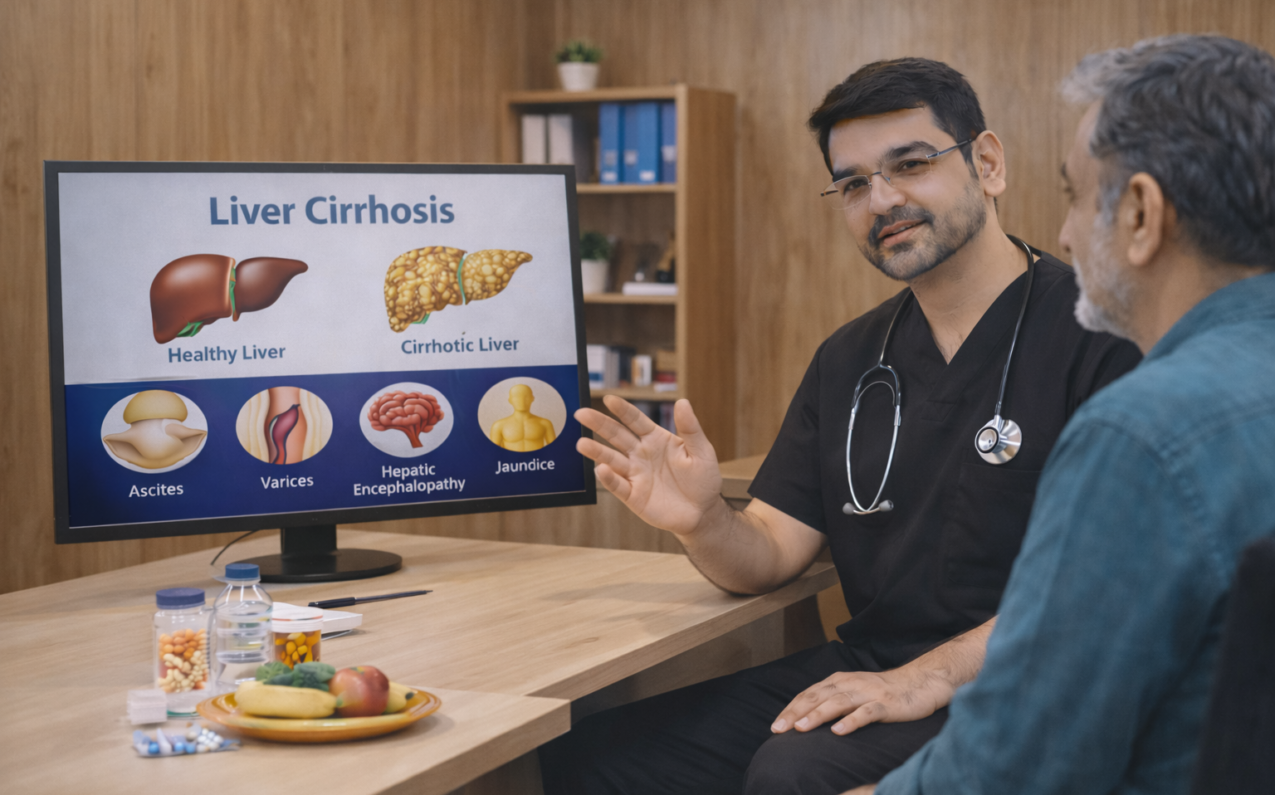
Liver cirrhosis is a serious and progressive liver disease that develops after long-term damage from fatty liver, hepatitis, or alcohol misuse. Early detection is critical to prevent liver failure and life-threatening complications. Timely liver care and specialist supervision significantly improve survival and long-term health outcomes.
Causes, Symptoms, and Advanced Cirrhosis Management
Cirrhosis occurs when healthy liver tissue is replaced by scar tissue, impairing liver function. Common causes include chronic hepatitis B and C, non-alcoholic fatty liver disease, alcohol-related liver injury, and metabolic disorders. Early symptoms are often mild but gradually worsen. Modern hepatology care focuses on controlling underlying causes, preventing complications, and monitoring liver function through structured follow-up.
What Happens in Liver Cirrhosis?
In cirrhosis, continuous inflammation leads to fibrosis and scarring of liver tissue. As scarring increases, blood flow through the liver becomes restricted, causing portal hypertension. This may result in fluid accumulation, enlarged spleen, and digestive bleeding. Early gastroenterology consultation ensures accurate staging and prevents disease progression through appropriate medical management.
Warning Signs You Should Not Ignore
Common early signs include fatigue, loss of appetite, mild abdominal swelling, jaundice, and unexplained weight loss. Advanced stages may cause fluid in the abdomen (ascites), vomiting blood, confusion, or leg swelling. Any persistent liver-related symptoms require immediate medical evaluation to prevent severe complications.
Diagnosis and Modern Treatment
Diagnosis involves liver function tests, ultrasound, FibroScan, CT scan, and sometimes endoscopy to check for varices. Treatment includes antiviral therapy for hepatitis, lifestyle modification, salt restriction, diuretics, and endoscopic procedures when needed. In advanced cases, liver transplant evaluation may be considered under specialist supervision.
“Cirrhosis represents the final pathway of chronic liver injury, and early intervention is the most powerful tool we have to alter its course.”
Dr. Arun Sanyal, Hepatology Expert
Long-Term Monitoring and Prevention
Cirrhosis requires lifelong monitoring to prevent complications like variceal bleeding or liver cancer. Regular follow-ups, screening tests, and medication adherence are crucial. Avoiding alcohol, maintaining healthy weight, and managing diabetes reduce progression risk. Structured liver care significantly improves quality of life and survival outcomes.