

Gallbladder stones, commonly known as gallstones, are hardened deposits that form inside the gallbladder and can cause severe abdominal pain. Many patients ignore early symptoms until complications arise. Timely diagnosis and advanced gastroenterology care help prevent infection, obstruction, and recurrent pain episodes.
Understanding Gallstones, Symptoms, and Modern Management
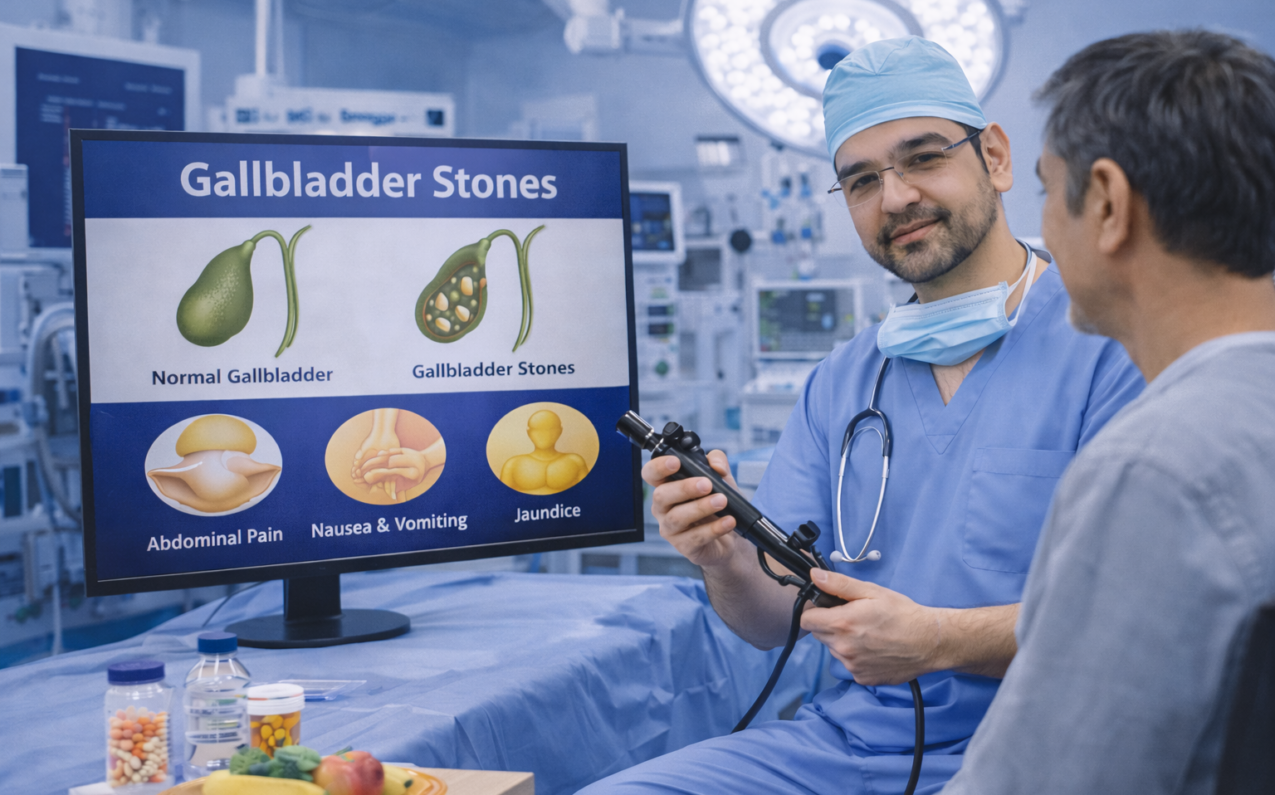
Gallstones develop when bile contains excess cholesterol or bilirubin, leading to crystal formation. Risk factors include obesity, rapid weight loss, pregnancy, diabetes, and high-fat diet. Symptoms often appear suddenly as severe right upper abdominal pain, nausea, vomiting, or bloating after meals. Modern treatment includes ultrasound diagnosis, medical management in selected cases, and minimally invasive surgical removal when required to prevent complications.
What Are Gallstones?
Gallstones are solid particles formed within the gallbladder due to chemical imbalance in bile. Some remain silent, while others block bile ducts, causing intense pain called biliary colic. If untreated, complications like infection (cholecystitis), jaundice, or pancreatitis may occur. Early gastroenterology evaluation ensures safe and timely management.
Common Symptoms and Warning Signs
Typical symptoms include sudden right-sided abdominal pain after fatty meals, nausea, vomiting, indigestion, and bloating. Severe cases may present with fever or yellowing of eyes. Recurrent abdominal pain should never be ignored. Prompt consultation reduces risk of emergency complications and hospital admission.
Diagnosis and Advanced Treatment
Ultrasound is the primary diagnostic test for gallstones. Blood tests may assess liver and pancreatic function. In complicated cases, MRCP or ERCP may be required. Treatment ranges from observation in asymptomatic patients to laparoscopic gallbladder surgery in symptomatic cases. Early intervention ensures faster recovery and prevents recurrence.
“Gallstone disease is common, but timely diagnosis and appropriate management prevent serious complications and unnecessary suffering.”
Dr. Henry Pitt
Prevention and Lifestyle Care
Maintaining healthy weight, balanced diet, regular exercise, and controlled blood sugar levels reduce gallstone risk. Avoiding crash dieting is essential. Structured follow-up care prevents recurrent symptoms and protects digestive health long-term.