

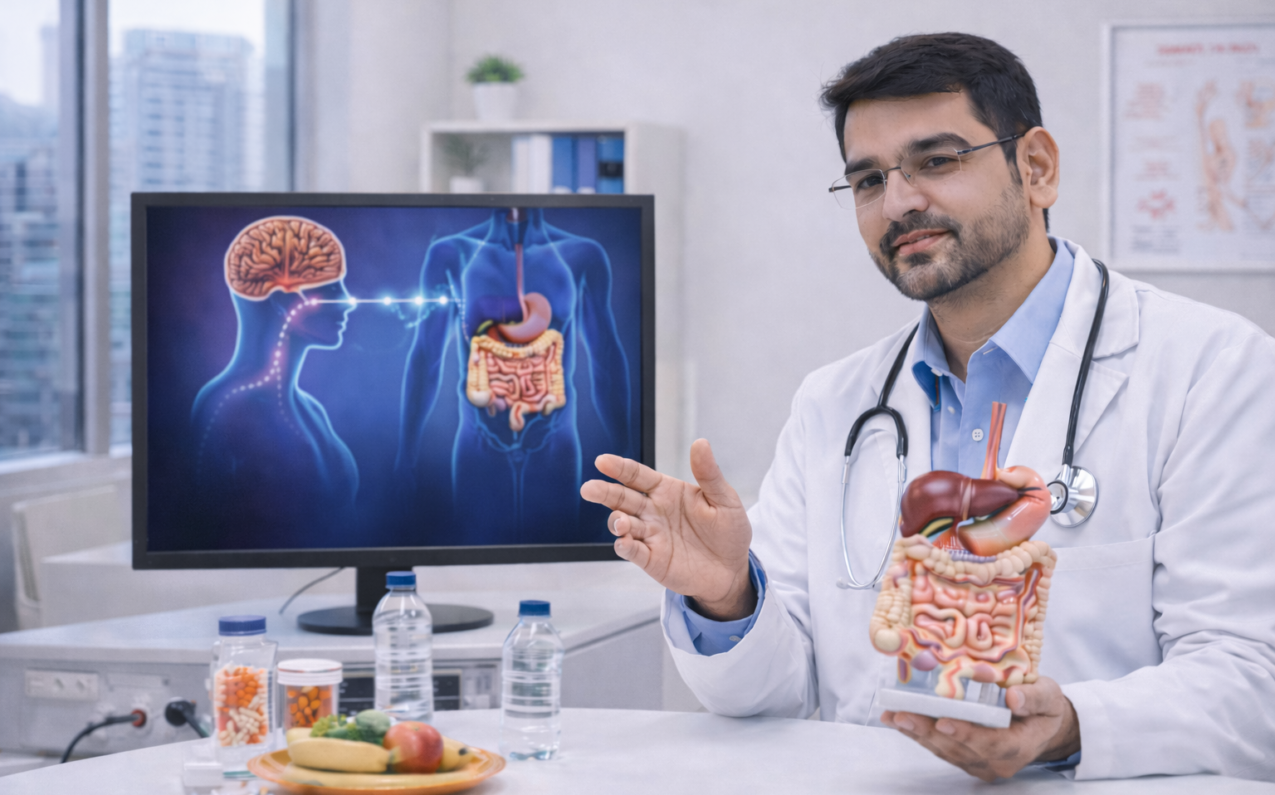
Neuro-gastro disorders affect the communication between the brain and the digestive system, leading to chronic symptoms like bloating, abdominal pain, constipation, and unexplained nausea. These conditions require specialized evaluation because routine tests may appear normal. Early diagnosis and structured treatment help restore gut function and improve quality of life.
Understanding Brain-Gut Axis and Functional Digestive Disorders
The brain and gastrointestinal system are closely connected through the gut-brain axis. Stress, anxiety, neurological imbalance, and nerve dysfunction can directly influence digestion. Conditions like functional dyspepsia, irritable bowel syndrome (IBS), and gut motility disorders often arise from this disrupted signaling. Advanced gastroenterology care focuses on identifying triggers, improving nerve regulation, and combining medical therapy with lifestyle modification for long-term digestive stability.
What Are Neuro-Gastro Disorders?
Neuro-gastro disorders are functional gastrointestinal conditions where symptoms occur without structural damage. The issue lies in altered nerve signaling between the central nervous system and the digestive tract. Patients may experience chronic bloating, early fullness, irregular bowel habits, or persistent abdominal discomfort. Proper evaluation by a gastroenterologist ensures that serious diseases are ruled out while addressing nerve-related digestive dysfunction effectively.
Common Symptoms and Triggers
Typical symptoms include abdominal pain, constipation, diarrhea, excessive gas, nausea, and stress-related flare-ups. Emotional stress, poor sleep, anxiety, and dietary triggers often worsen symptoms. Many patients from high-stress environments experience gut disturbances without detectable abnormalities in scans. Recognizing psychological and neurological factors is essential in creating a holistic and effective digestive treatment strategy.
Diagnosis and Modern Treatment Approach
Diagnosis involves detailed history, selective investigations, motility studies, and sometimes manometry or endoscopic evaluation. Treatment focuses on dietary correction, stress management, gut motility medications, probiotics, and behavioral therapy when required. A structured, multidisciplinary approach improves gut-brain coordination, reduces symptom recurrence, and restores digestive comfort without unnecessary invasive procedures.
“The gut is not isolated from the mind; healing digestive disorders often begins with restoring balance between neurological function and gastrointestinal health.”
Dr. Emeran Mayer
Long-Term Management and Patient Care
Effective management of neuro-gastro disorders requires continuity of care, regular follow-ups, and patient education. Addressing stress, sleep quality, dietary patterns, and psychological triggers plays a vital role in recovery. With a personalized, multidisciplinary approach, patients can achieve significant symptom control and improved digestive resilience over time.